
 Arabic
 French
 Indonesia
 Portuguese
 Russian
 Spanish
 Vietnamese

 +86-157-2476-6919
Choosing the Right Sodium Carbonate Grade: An Industrial Buyer's Guide
For bulk industrial users, manufacturers, and procurement teams, securing a reliable supply of sodium carbonate (Na₂CO₃), commonly known as soda ash, is essential to maintaining consistent production and controlling operating costs. As a foundational inorganic chemical, soda ash plays a critical role in large-scale manufacturing processes worldwide, including glass production, water treatment, detergents, chemicals, and other industrial applications.
For businesses that depend on high-volume chemical inputs, the quality, availability, and consistency of their soda ash supply can directly affect production efficiency, product quality, and overall costs.
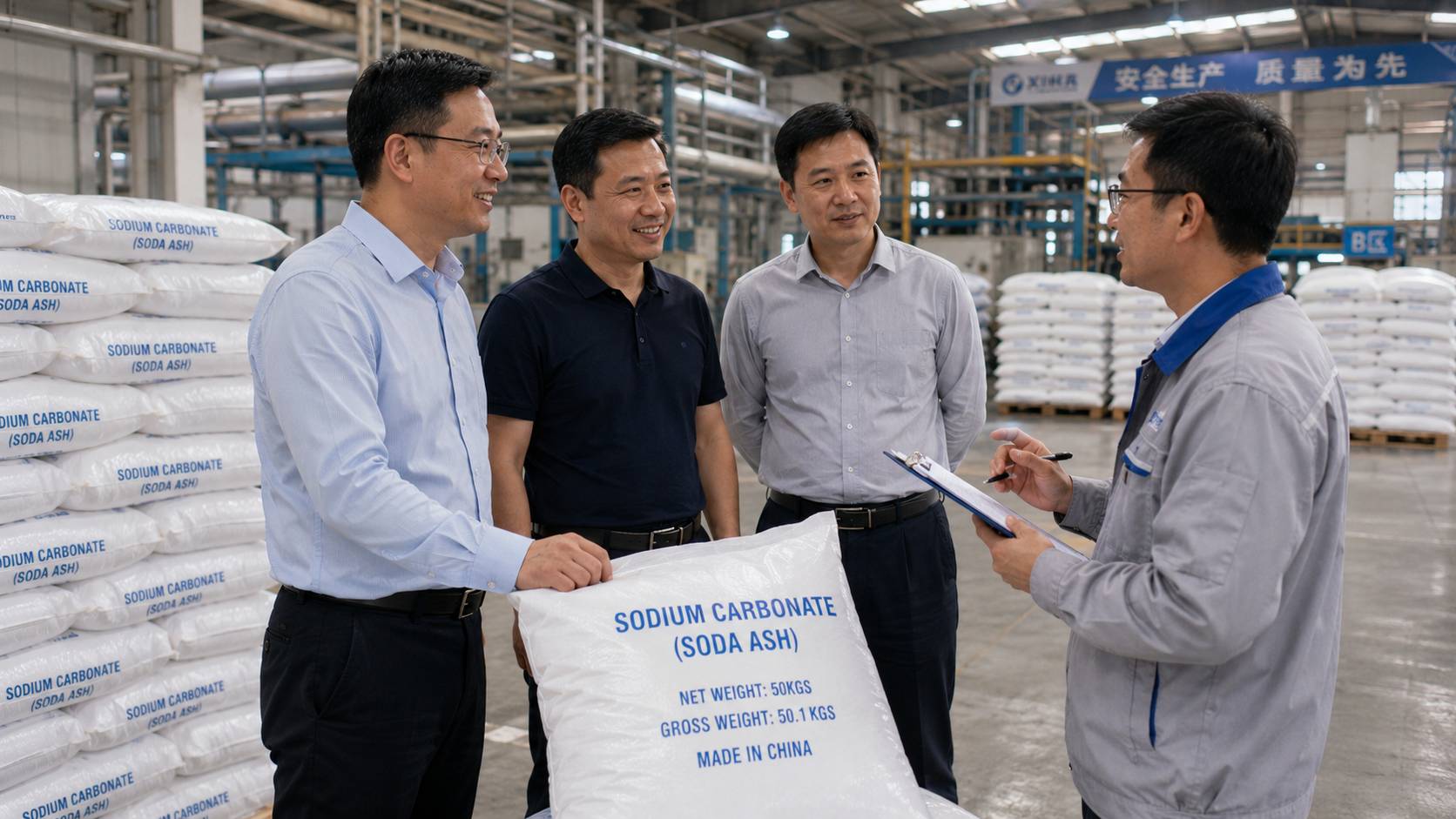
Chinese industry professionals discuss sodium carbonate products and business requirements with customers inside a modern chemical manufacturing facility.
For industrial procurement teams, buying sodium carbonate in bulk involves more than comparing prices. Grade, purity, supply reliability, and logistics all affect the final cost and performance.
|
Key Factor |
Why It Matters |
|
Grade & Purity |
Determines suitability for specific applications |
|
Bulk Pricing |
Impacts overall production costs |
|
Supply Reliability |
Helps prevent production disruptions |
|
Logistics |
Affects delivery time and landed cost |
Sodium Carbonate (Soda Ash) Product Overview
Chemical Properties and Specifications
Understanding the fundamental properties of sodium carbonate is essential for ensuring compatibility with your specific manufacturing processes.
- Chemical Formula: Na₂CO₃
- Appearance: White, odorless, granular powder
- Density: 2.54 g/cm³ (variates significantly between light and dense grades)
- Melting Point: 851°C (1,564°F)
- Boiling Point: 1,600°C (2,912°F)
- Solubility: Highly soluble in water, forming a strongly alkaline aqueous solution.
Primary Industrial Applications
Sodium carbonate is highly versatile, but its application dictates the specific grade and density required.
Glass Manufacturing
The glass industry is the largest consumer of soda ash. Sodium carbonate acts as a fluxing agent, significantly reducing the melting point of silica sand. This reduction lowers the energy requirements for the furnace, optimizing production costs and extending the lifespan of the refractory materials.
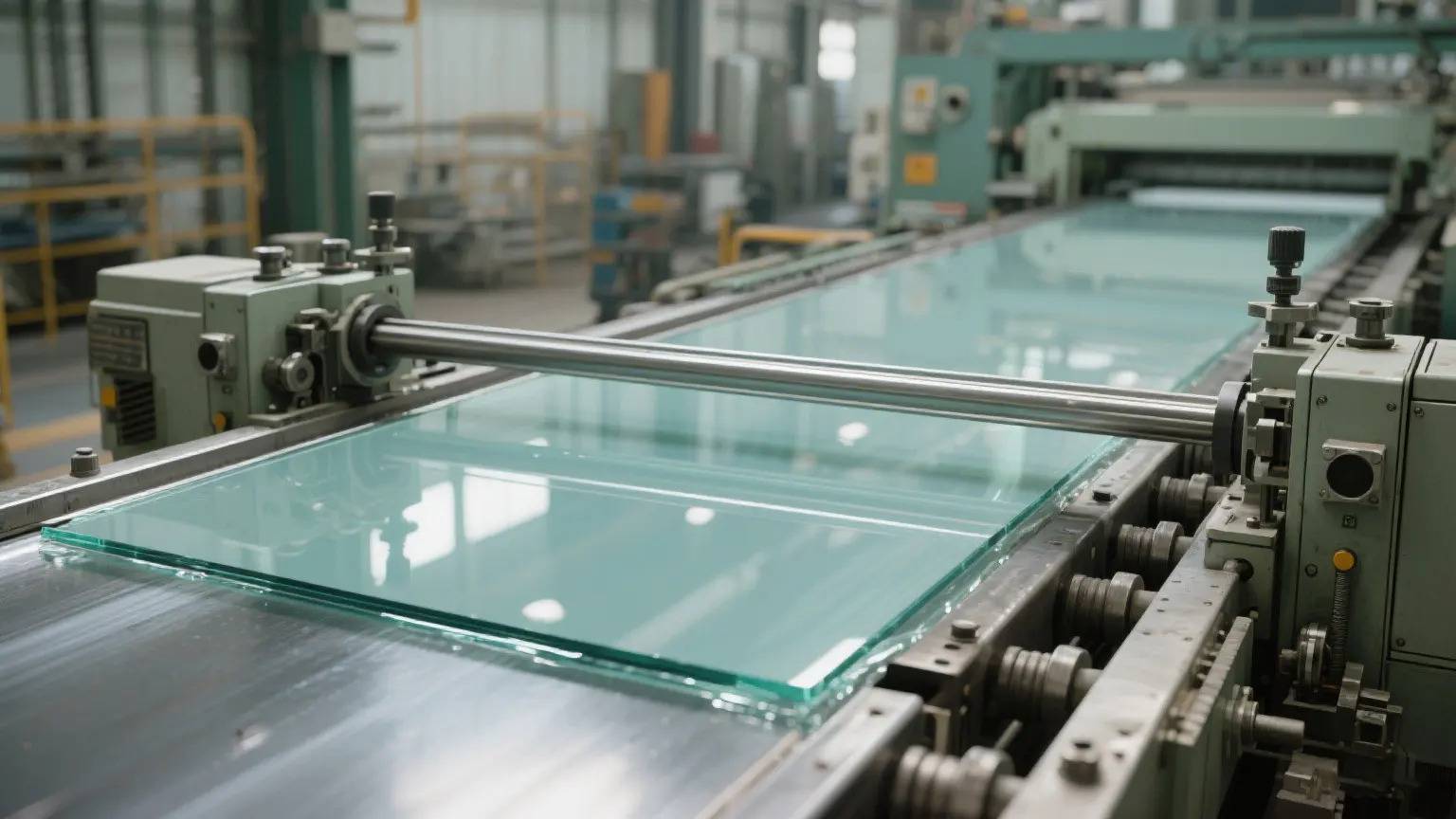
Close-up of clear glass panels traveling on rollers in a large factory production line.
Detergents and Cleaning Agents
In the formulation of dry powder detergents and household cleaning agents, soda ash serves multiple functions. It acts as a builder, softening water by precipitating calcium and magnesium ions, which allows the surfactants to work more effectively. It also provides the necessary alkalinity to break down acidic stains and saponify fats.
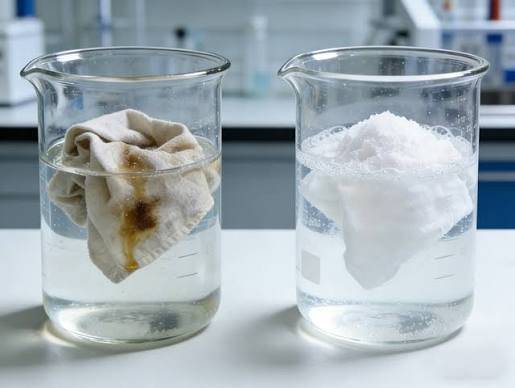
Two glass beakers on a lab bench, one with a dirty cloth and one with white powder dissolving in water.
Chemical Manufacturing and Metallurgy
Sodium carbonate is a vital precursor in the synthesis of numerous sodium compounds, including sodium silicate, sodium bicarbonate, and sodium chromate. In metallurgy, it is utilized in the processing of certain ores, such as alumina extraction, and as a pH modifier in gold mining and recovery operations.
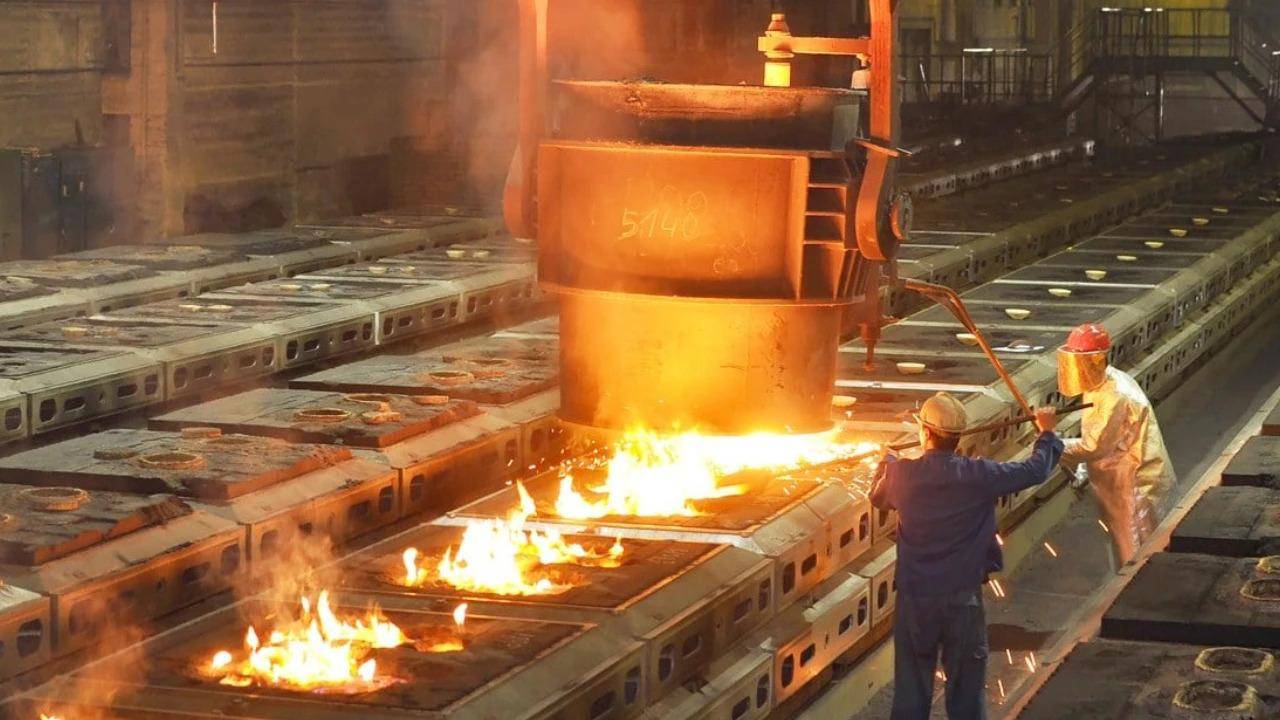
Glowing molten metal being poured from a large ladle into molds with two workers in hard hats nearby.
Water Treatment
Municipal and industrial water treatment facilities utilize soda ash to adjust pH levels and soften water. By precipitating heavy metals and neutralizing acidic water streams, it ensures compliance with environmental discharge regulations and protects infrastructure from corrosion.
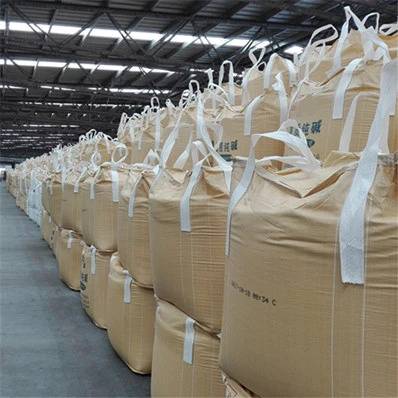
Soda ash stored and packaged in bulk industrial FIBC bags.
Soda Ash Light vs. Soda Ash Dense: Making the Right Choice
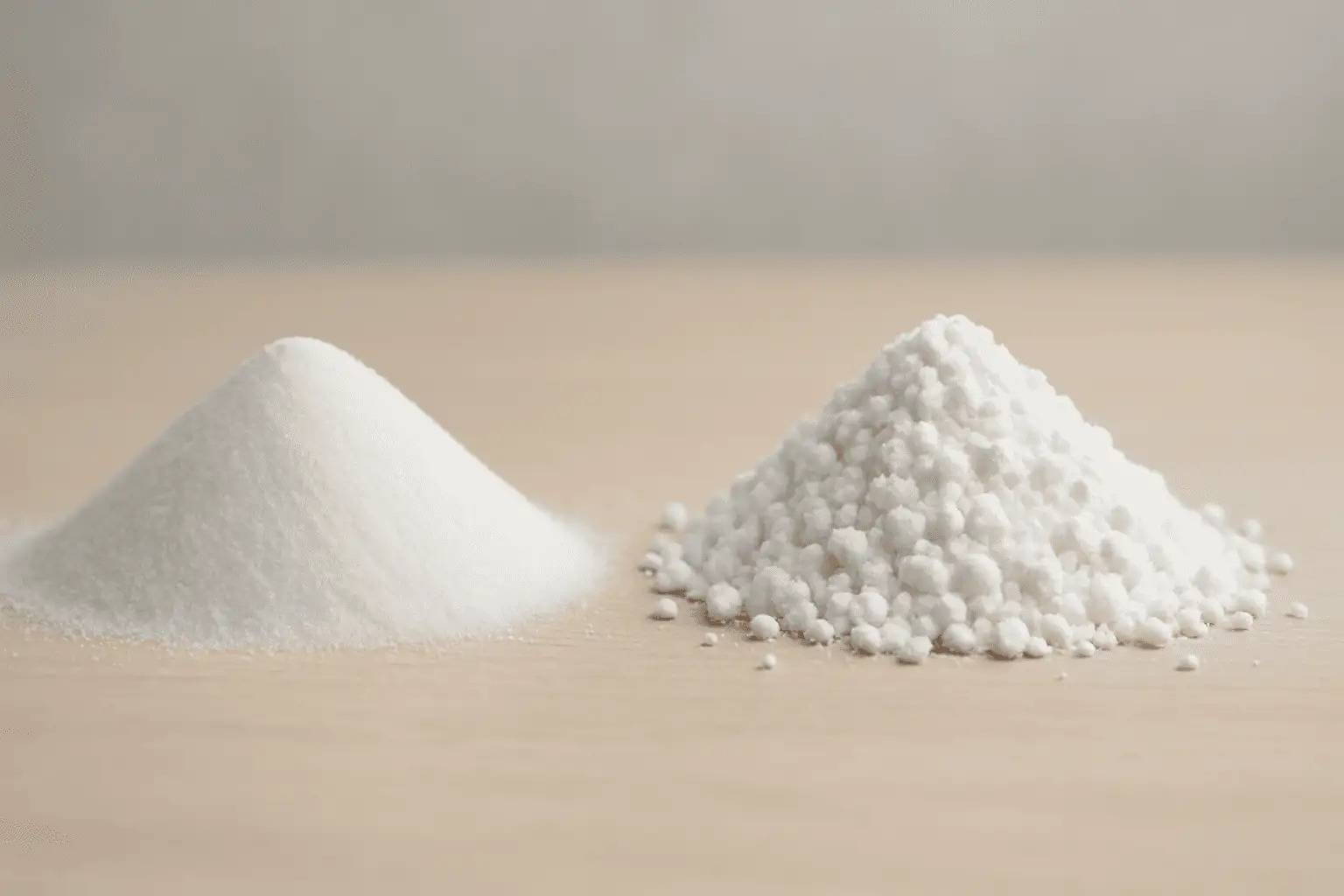
The most critical decision when sourcing sodium carbonate is selecting between the light and dense grades. While chemically identical, their physical properties dictate their industrial utility.
Soda Ash Light
- Density: Approximately 500-600 kg/m³
- Production: Typically produced via the ammonia-alkali (Solvay) process.
- Characteristics: Fine, powdery texture with high absorptive properties and rapid solubility.
- Primary Uses: Detergent manufacturing, chemical synthesis, water treatment, and textile processing.
Soda Ash Dense
- Density: Approximately 1000-1200 kg/m³
- Production: Produced by hydrating light soda ash to form sodium carbonate monohydrate, which is then calcined.
- Characteristics: Coarser, granular texture. It generates less dust during handling and requires less storage volume per metric ton.
- Primary Uses: Glass manufacturing (its granular size matches silica sand, preventing segregation during the melting process), metallurgy, and heavy chemical industries.
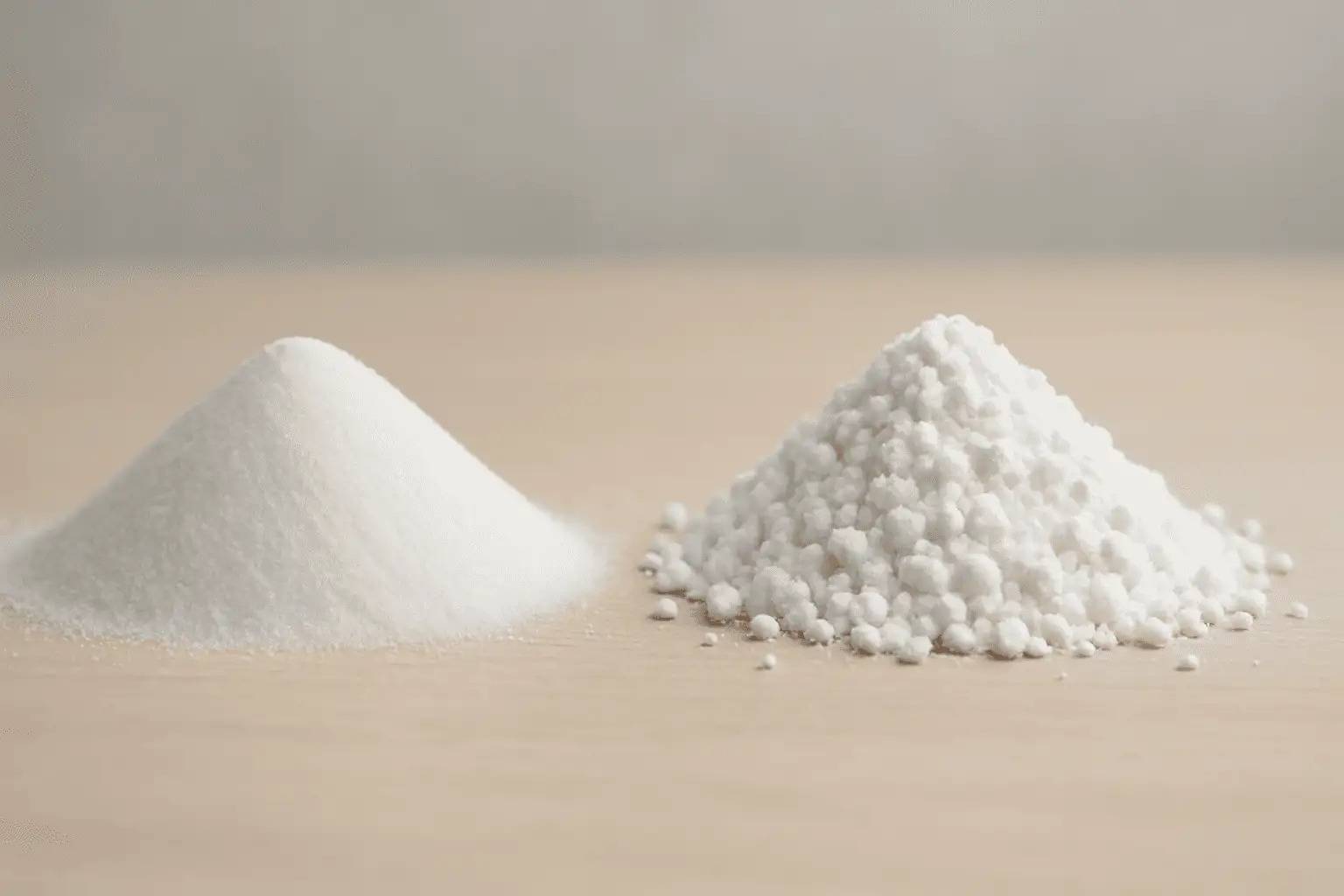
Two piles of white powder on a wooden surface, one fine and smooth, the other coarse and granular.
Pricing Note: Due to the additional processing steps required, soda ash dense typically commands a higher market price than soda ash light.
Sodium Carbonate vs. Sodium Bicarbonate
While often confused due to nomenclature, sodium carbonate (soda ash) and sodium bicarbonate (baking soda) serve vastly different industrial purposes.
Sodium bicarbonate (NaHCO₃) is a weak base, primarily utilized in the food industry as a leavening agent, in pharmaceuticals as an antacid, and in specialized fire extinguishers. Conversely, sodium carbonate (Na₂CO₃) is a strong base, engineered for heavy industrial applications where significant alkalinity and fluxing properties are required. Substituting one for the other in an industrial process will inevitably lead to operational failure.
WhatsApp Us for Free a Consultation
Comparative Analysis: Key Distinctions for Industrial Buyers
To facilitate informed procurement decisions, a clear understanding of the distinctions between various forms of sodium carbonate and related compounds is essential.
Soda Ash Light vs. Soda Ash Dense
|
Feature |
Soda Ash Light |
Soda Ash Dense |
|
Density |
~500-600 kg/m³ |
~1000-1200 kg/m³ |
|
Particle Size |
Fine powder |
Coarser granules |
|
Production Method |
Ammonia-alkali (Solvay) process |
Hydration and calcination of light soda ash |
|
Handling |
Higher dust generation, rapid dissolution |
Lower dust generation, less volume per ton |
|
Primary Uses |
Detergents, chemical synthesis, water treatment, textiles |
Glass manufacturing, metallurgy, heavy chemicals |
|
Typical Price |
Generally lower |
Generally higher (due to additional processing) |
Sodium Carbonate vs. Sodium Bicarbonate
Despite similar names, these two compounds possess different chemical properties and are suited for entirely separate industrial roles. Misapplication can lead to significant operational issues.
|
Feature |
Sodium Carbonate (Soda Ash) |
Sodium Bicarbonate (Baking Soda) |
|
Chemical Formula |
Na₂CO₃ |
NaHCO₃ |
|
Chemical Nature |
Strong base |
Weak base |
|
Primary Industrial Uses |
Glass, detergents, water treatment, chemical manufacturing, metallurgy |
Food industry (leavening), pharmaceuticals (antacid), fire extinguishers |
|
Common Name |
Soda Ash, Washing Soda |
Baking Soda |
Sodium Carbonate (Soda Ash) Product Overview
Navigating the Global Soda Ash Market
The global soda ash market is subject to volatility driven by energy costs, raw material availability (limestone and salt), and regional demand shifts, particularly in the Asia-Pacific region.
When planning bulk procurement, sourcing managers must consider:
- Supply Chain Resilience: Relying on a single regional supplier exposes operations to localized disruptions. Partnering with an international supplier with diverse sourcing capabilities mitigates this risk.
- Logistics and Freight: The cost of freight can significantly impact the landed cost of soda ash. Efficient packaging and optimized shipping routes are essential.
- Quality Consistency: Variations in purity or moisture content can disrupt sensitive manufacturing processes, particularly in glass production.
Sourcing Bulk Sodium Carbonate: The Camachem Advantage
At Camachem, we understand that industrial buyers require more than just a chemical transaction; they need a reliable supply chain partner. We specialize in the global export of both Soda Ash Light and Soda Ash Dense, tailored to meet stringent industrial specifications.
Proven Export Capabilities
We have a demonstrated track record of successfully navigating complex international logistics. For example, we recently partnered with a leading glass manufacturer in Kenya. They were facing challenges with inconsistent chemical quality and escalating costs from their previous suppliers. By optimizing the logistics route and ensuring strict quality control at the loading port, Camachem delivered high-grade Soda Ash Dense that stabilized their production process and reduced their overall procurement costs.
Packaging and Handling
Proper packaging is critical to prevent moisture ingress and caking during transit. We offer flexible packaging solutions to accommodate your facility's handling capabilities:
- Soda Ash Light: Available in standard 40kg PP/PE bags.
- Soda Ash Dense: Available in 25kg bags or 1-ton jumbo bags for efficient bulk handling.
Safety and Compliance
Sodium carbonate is a strong alkaline substance. While generally safe when handled correctly, it can cause severe eye irritation and respiratory issues if inhaled as dust. We ensure all shipments are accompanied by comprehensive Material Safety Data Sheets (MSDS) and comply with international maritime dangerous goods regulations where applicable.
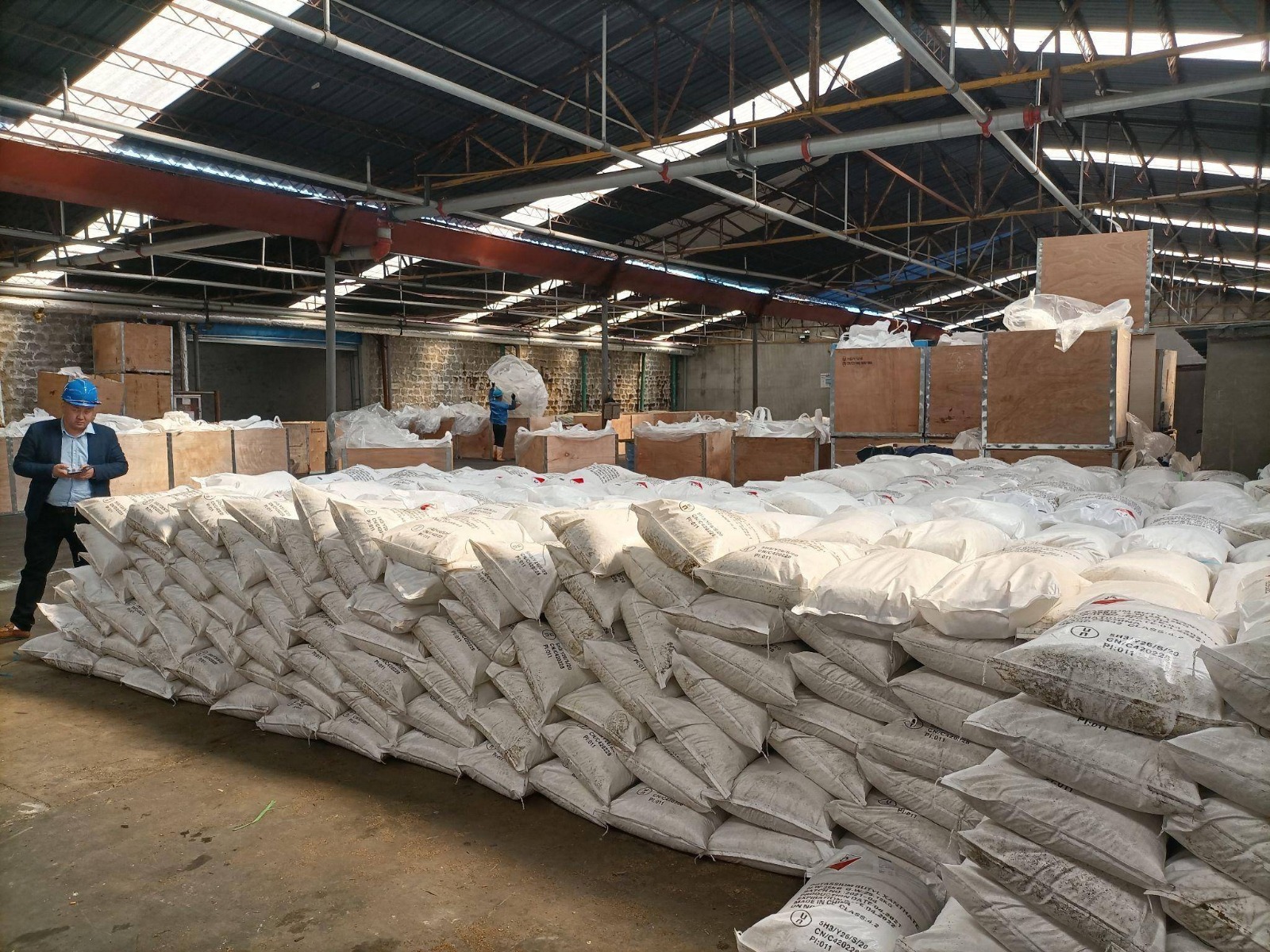
Warehouse filled with neatly stacked white bulk bags of sodium carbonate and a worker checking inventory.
Frequently Asked Questions (FAQs) for Industrial Buyers
What is the primary difference between food-grade and industrial-grade sodium carbonate?
Food-grade sodium carbonate meets stricter purity and safety standards for food-related applications, with tighter limits on impurities. Industrial-grade is intended for manufacturing processes where food-grade purity is not required.
How does sodium carbonate contribute to water softening and pH regulation in industrial processes?
Sodium carbonate reacts with calcium and magnesium ions to reduce water hardness. It also helps neutralize acidic solutions and maintain the required pH in industrial processes.
What are the typical packaging options for bulk sodium carbonate, and how do they impact logistics?
Sodium carbonate is commonly supplied in 25kg or 40kg bags and 1-ton jumbo bags (FIBCs). Jumbo bags are more efficient for large-volume handling, while bulk shipments may be used for very high-volume orders.
What safety precautions should be taken when handling bulk sodium carbonate?
Sodium carbonate dust can irritate the eyes, skin, and respiratory system. Workers should use appropriate PPE, including gloves, safety goggles, and respiratory protection where dust exposure is possible.
How can Camachem ensure consistent quality and supply chain reliability for international sodium carbonate orders?
Camachem works with trusted manufacturers and applies quality controls throughout the supply process. Certificates of Analysis (CoA), secure packaging, and international logistics support consistent deliveries.
What factors influence the price of bulk sodium carbonate, and how can buyers manage cost volatility?
Prices are influenced by demand, energy costs, raw material availability, transportation, and regional supply conditions. Buyers can reduce volatility through long-term contracts, supplier diversification, and reliable sourcing partners.
Is sodium carbonate used in food products for coloring or as an additive?
Food-grade sodium carbonate is used in some food applications as a pH regulator, processing aid, or texture enhancer. Only compliant food-grade material should be used for food-related applications.
How does the Solvay process relate to sodium carbonate production?
The Solvay process produces sodium carbonate by processing brine with ammonia and carbon dioxide. The resulting sodium bicarbonate is heated to produce sodium carbonate, commonly known as soda ash.
Conclusion
Securing a reliable supply of sodium carbonate requires a strategic approach to sourcing, an understanding of grade specifications, and a partner capable of managing global logistics. Whether you are formulating detergents or manufacturing architectural glass, the quality of your soda ash directly impacts your bottom line.
How Camachem Helps You Get Quality Chemicals from China
✅ Do you spending too much time trying to find quality chemicals in China?
✅ Is it hard to explain your needs to Chinese suppliers?
✅ Do you need customized chemicals that regular suppliers can’t deliver?
✅ Do you want help getting the right chemicals, so you can focus on growing your business?
Looking for a reliable supplier of Sodium Carbonate? , WhatsApp Us (Faster) for a FREE Consultation
✅Camachem: Quality Chemicals. Every Single Time.✅

-
Choosing the Right Sodium Carbonate Grade: An Industrial Buyer's Guide
August 19, 2026
-
How We Helped our Customer Stop Losses with the Right Chemicals | Camachem Case Study
 July 27, 2026
-
What is the Difference Between Caustic Soda Pearls and Caustic Soda Flakes? (2026 Update)
 July 26, 2026
-
5 Differences You Need To Know About Bleach And Chlorine
 July 24, 2026
-
Top 10 Chemicals Used in Cleaning and Sanitation
 July 23, 2026