

 Arabic
 French
 Indonesia
 Portuguese
 Russian
 Spanish
 Vietnamese

 +86-157-2476-6919
Monthly Archives: February 2025
-
February 07, 2025
Biotechnology is a revolutionary field that harnesses biological systems and organisms to develop innovative solutions across various industries. Central to these advancements are specific chemicals that play crucial roles in driving biotechnological processes. These chemicals not only enable the production of biofuels, bioplastics, and pharmaceuticals but also contribute to sustainable practices and environmental conservation.
This blog explores the top 10 chemicals in biotechnology, delving into their benefits and diverse applications. Each chemical, from ethanol and acetic acid to biopolymers and enzymes, offers unique properties that make them indispensable in industrial, agricultural, medical, and environmental contexts. By examining these chemicals, we can appreciate their contributions to making processes more efficient, sustainable, and innovative.
Know Top 10 Chemicals
-
February 07, 2025
Renewable energy is rapidly becoming a cornerstone of sustainable development. Central to this transformation are various compound chemicals that enable the efficient harnessing, storage, and conversion of renewable resources.
Here are the top 10 compound chemicals that play a crucial role in renewable energy technologies.
Top 10 Chemicals in Renewable Energy
- Lithium Cobalt Oxide (LiCoO2)
- Nickel-Manganese-Cobalt (NMC)
- Silicon Carbide (SiC)
- Perovskite (ABX3)
- Cadmium Telluride (CdTe)
- Polyvinylidene Fluoride (PVDF)
-
February 06, 2025
Polymers are essential materials in a wide range of applications, from everyday household items to advanced industrial uses. Understanding the key chemicals involved in polymer production and modification is crucial for anyone working in or studying this field. Here are the top 10 chemicals commonly used in polymer production, along with their benefits and applications.
Top 10 Chemicals Used in Polymers
- Ethylene
- Propylene
- Styrene
- Vinyl Chloride
- Acrylonitrile
- Butadiene
- Terephthalic Acid
-
February 06, 2025
Environmental services play a crucial role in maintaining and improving the health and safety of our surroundings. These services often involve cleaning, disinfecting, waste management, and pest control, all of which rely heavily on the use of various chemicals.
Top 10 Chemicals Used in Environmental Services
Here are the top 10 chemicals commonly used in environmental services, along with their benefits, applications, and potential risks.
Top 10 Chemicals in Environmental Services
- Sodium Hydroxide
- Ammonium Hydroxide
- Sodium Bicarbonate
- Boric Acid
- Citric Acid
-
February 06, 2025
Adhesives and sealants play a vital role in numerous industries, from construction and automotive to electronics and consumer goods. The success of these products hinges on the chemistry behind them, which determines their bonding strength, flexibility, durability, and resistance to environmental factors.
Understanding the key chemicals used in the adhesives and sealants industry can provide insight into their wide-ranging applications and the specific benefits they offer.
In this blog post, we’ll explore the top ten chemicals utilized in this industry, delving into their unique properties, advantages, and practical uses across various sectors.
Top 10 Chemicals In Adhesives & Sealants
- Acrylics
-
February 06, 2025
Rubber manufacturing is a sophisticated process that transforms raw materials into versatile and durable products used in countless applications worldwide. From everyday items like tires and footwear to industrial components such as seals and gaskets, rubber products play a critical role in our daily lives.
Achieving the desired properties in rubber, such as elasticity, strength, and resistance to environmental factors, requires the use of specific chemicals.In this comprehensive listicle, we will explore the top 10 chemicals used in rubber manufacturing.
We'll delve into their benefits, how they enhance the properties of rubber, and their diverse applications. Whether you are in the industry or simply curious about what goes into making rubber products, this guide provides valuable insights into the essential chemicals that make rubber manufacturing possible.
-
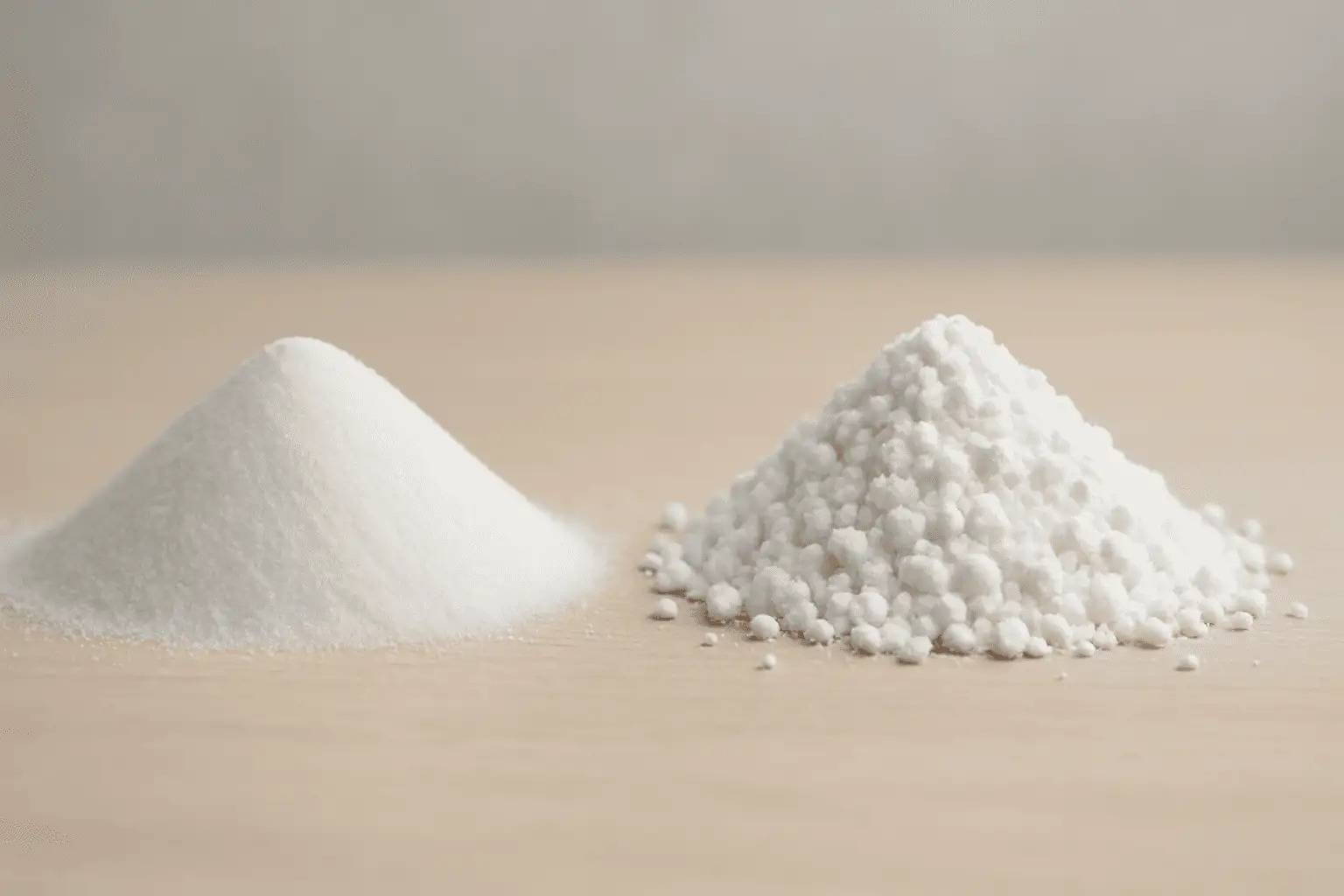
Choosing the Right Sodium Carbonate Grade: An Industrial Buyer's Guide
 August 19, 2026
-
How We Helped our Customer Stop Losses with the Right Chemicals | Camachem Case Study
 July 27, 2026
-
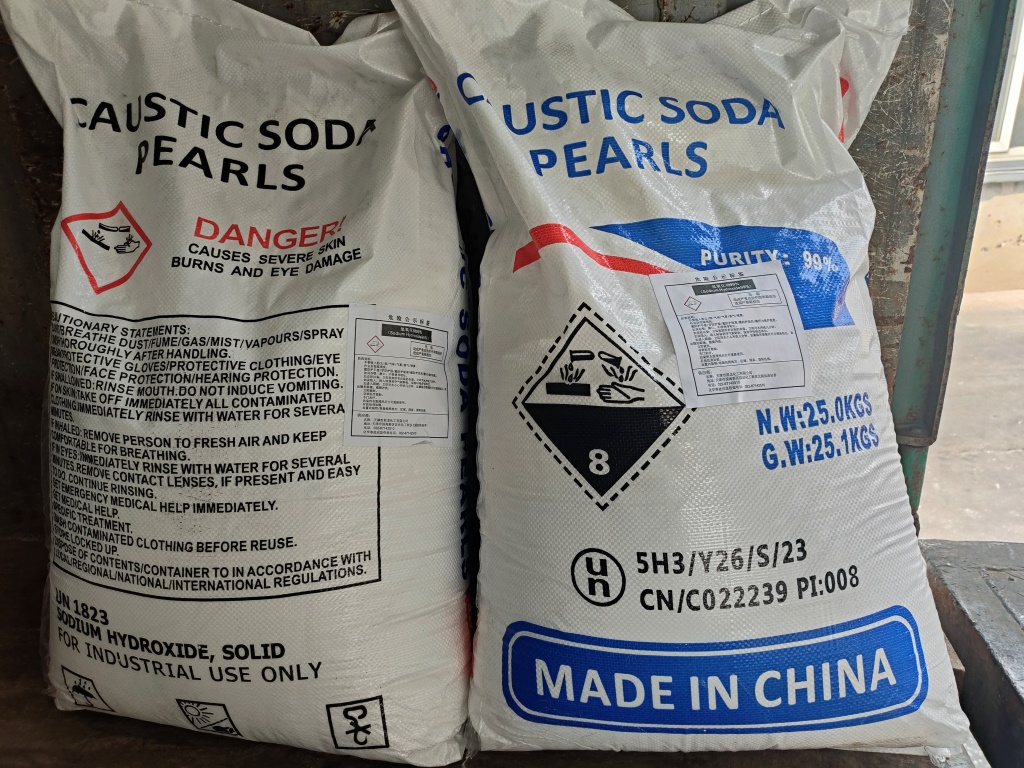
What is the Difference Between Caustic Soda Pearls and Caustic Soda Flakes? (2026 Update)
 July 26, 2026
-
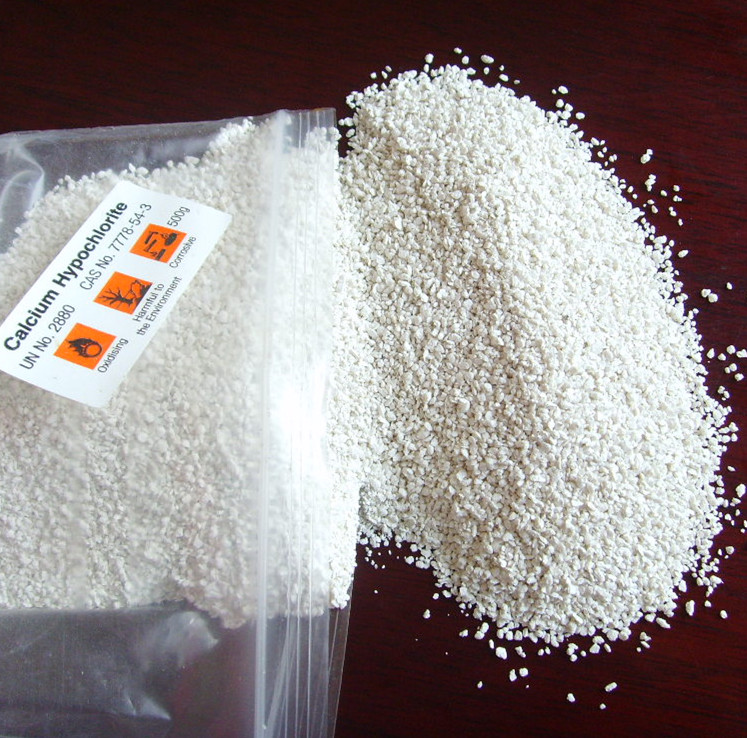
5 Differences You Need To Know About Bleach And Chlorine
 July 24, 2026
-
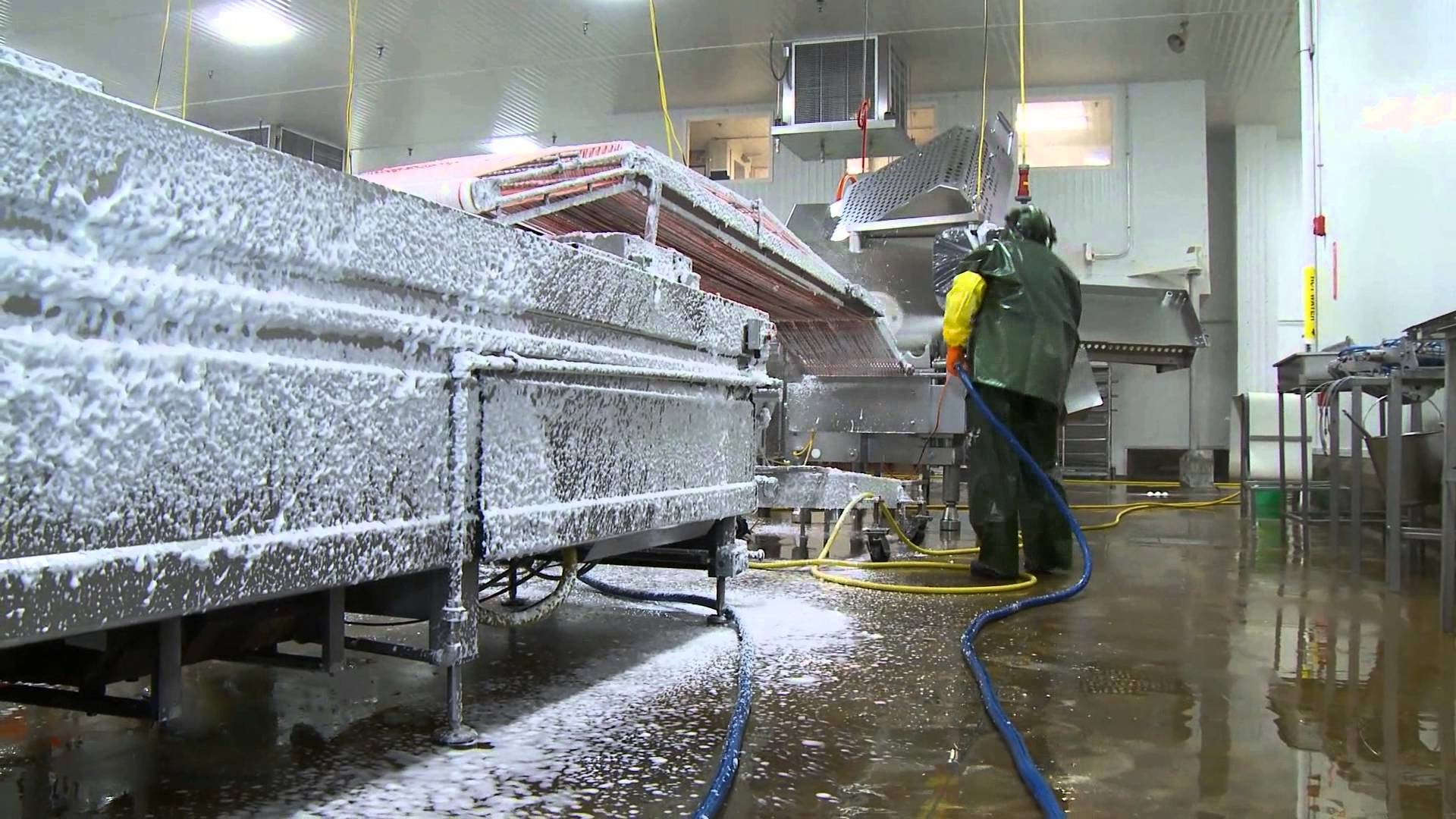
Top 10 Chemicals Used in Cleaning and Sanitation
 July 23, 2026